Why Do People Prefer Proven Products Over New Releases?
In an age where new tech and products land on the market daily, you might wonder: why do people still gravitate toward proven products? Whether in luxury watches or even mobile platforms like MrQ's casino app, trust and reliability play a massive role. Having been a sales floor lead in Nakano and now a seasoned watch https://www.thewatchcompany.com/blog/watches-buying-guide/what-luxury-watches-teach-us-about-long-term-product-quality/ blogger for many years, I've seen firsthand how products from companies like Rolex and Omega outperform many newer entries simply because of their track record.
Craftsmanship Beyond Function
Quality is often reduced to specs: “50m water resistance,” “chronometer certified,” or “latest AMOLED touchscreen.” But lasting value hinges on craftsmanship that stretches well beyond mere function. Proven products aren’t just designed to meet a checklist—they're built on a philosophy where every small decision counts.
Take the crown feel on a Rolex. It’s not just about winding the mechanism; it’s about a smooth, reassuring resistance combined with precise tactile feedback. This is a result of years of refining that feel, something you don’t get from most brand-new releases where such “invisible” details aren’t fully developed yet. This form of craftsmanship creates an experience that’s consistent and satisfying day after day.
Why craftsmanship matters day to day
- Ease of use: A well-crafted component feels intuitive rather than frustrating.
- Tactile confidence: Small feedback cues (like the crown’s resistance) inform that the watch is operating perfectly.
- Durability through feel: Components that feel solid resist wear better in real conditions.
Upstream Quality Work: Design to Quality Control
Behind any product’s reliability is a chain of upstream quality decisions—from initial design and material choice to rigorous testing and quality control. Companies with proven reputations like Omega invest heavily in these early stages to nip potential issues before they reach customers.
For example, The Watch Company (TWC Japan) often highlights how their pre-owned luxury watches undergo not only visual inspections but detailed quality control steps that replicate those from the original manufacture stage. This ensures that what you buy isn’t just “nice to look at” but genuinely reliable.
Key stages of upstream quality work:
- Design Philosophy: Prioritize functional durability, not just aesthetics.
- Material Sourcing: Using trusted metals and components under strict standards.
- Manufacturing Precision: Ensuring components fit perfectly, minimizing wear.
- Quality Control Testing: Simulating real-world conditions to avoid early failures.
Reliability and Long-Term Value
When we talk about a product’s track record, we’re really referring to its reliability evidence across years—or decades—of use. Rolex’s reputation wasn’t built overnight; it’s an accumulation of consistent performance under daily stress.
Similarly, in less tangible markets like mobile platforms, the MrQ mobile casino platform’s steady user base and low incidence of technical problems reinforce that reliability is paramount. Early adopters might be excited about a shiny new app, but proven platforms earn trust through uninterrupted service and transparency.
This concept is crucial when you're looking to avoid early problems that are common pitfalls in brand-new releases. Early models often have bugs or undiscovered flaws that get ironed out only after months (sometimes years) of consumer feedback. Proven products come fully vetted.
Long-term reliability means:
- Putting less money and time into repairs.
- Maintaining consistent performance without surprises.
- Keeping resale and collectibility values stronger due to trust.
Invisible Details That Change User Experience
Hard specs don’t capture everything. The feel of a bracelet’s balance on the wrist, the smooth closing of a clasp, or the sound of a bezel’s rotation add to how a user experiences a product. These subtle but significant details differentiate proven products from new releases.
For instance, The Watch Company Blog dedicates sections to these minute aspects for luxury watches. These invisible qualities often come from cumulative small improvements made over years of real-world experience. Brands like Rolex don’t just set a standard of spec, but refine these touches based on direct customer feedback and rigorous internal testing.
When a product delivers these invisible nuances, it creates loyalty that no marketing campaign can match. It's not just about owning a name—it's about the actual day-to-day joy and confidence the product provides.
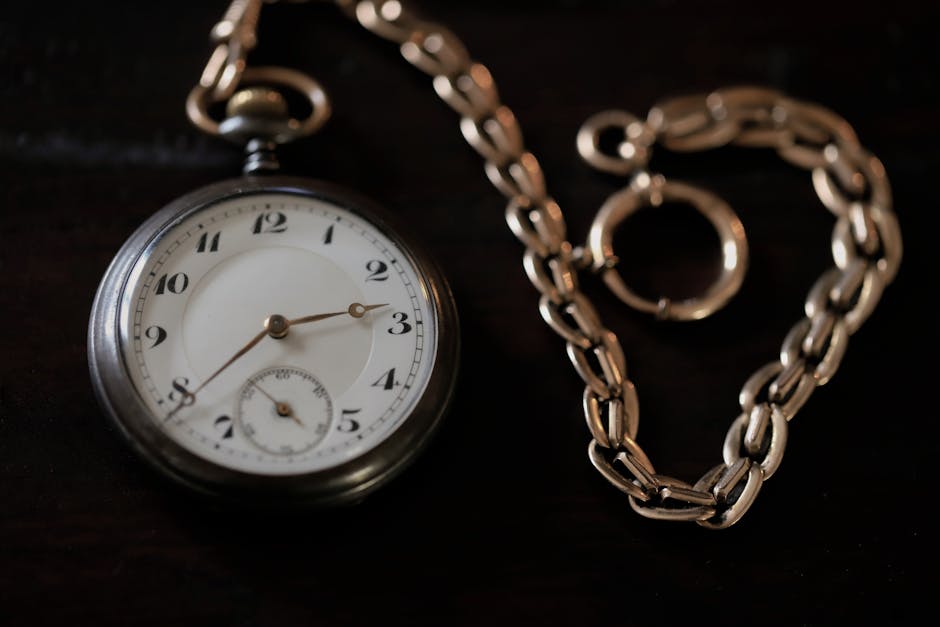
Summary Table: Proven Products vs. New Releases
Aspect Proven Products (e.g., Rolex, Omega) New Releases Craftsmanship Refined over years, tactile feedback and usability well-tested Potentially innovative but not fully refined in real use Upstream Quality Control Strict and comprehensive, minimizing hidden defects May have unknown early production issues Reliability Evidence Established track record with low failure rate Unproven, high risk of bugs or faults Invisible User Experience Details Well-balanced, smooth function, subtle design tweaks Often overlooked or untested nuances Long-Term Value Higher resale and continuing satisfaction Unknown, possibly depreciates quickly post-releaseFinal Thoughts: Choose Confidence Over Novelty
While new releases always bring excitement and the promise of innovation, proven products offer something more valuable for most consumers: confidence. This confidence comes from craftsmanship honed over many iterations, upstream quality controlling each step, and a legacy of reliability that new products simply cannot yet match.

Whether you’re browsing the shelves of The Watch Company (TWC Japan) or comparing platforms like MrQ’s mobile casino experience, remember that choosing proven solutions is about much more than just brand coolness. It's about avoiding early problems and investing in quality decisions made long before the product reaches you.