What Is the Safest Way to Get My Rolex Authenticated During a Sale?
When it comes to selling a Rolex, authentication is not just a checkpoint—it's the foundation for unlocking the watch’s true market value. In an era where watch collecting is increasingly seen as portfolio-style stewardship rather than mere ownership, knowing exactly what you have, how it fits in the current market, and what it’s really worth is crucial. This post explores the safest, smartest ways to get your Rolex authenticated during a sale, navigating the complex dance between insurance appraisals, market pricing mismatches, and live secondary-market data.
Why Authentication Matters: More Than Just a Stamp of Approval
Rolex watches are among the most counterfeited luxury timepieces in the world. Authenticity verification protects sellers and buyers alike, ensuring transactions are fair, transparent, and backed by expert evaluation. But authenticity verification is only one piece of the puzzle. Understanding condition, configuration, and market saturation effects on value is equally important.
Keep in mind:
- Insurance appraisal vs market value: Insurance replacements often reflect retail or MSRP pricing, which can be misleading for discontinued or rare models.
- Secondary-market comps: Real-time comparable sales data and demand signals provide a more accurate indication of market pricing.
- Condition & configuration: Full sets (box, papers, accessories), maintenance history, and originality influence final pricing dramatically.
Common Pitfalls to Avoid When Authenticating Your Rolex
Before diving into authentication options, here are a few pet peeves for sellers to sidestep:
- Paying upfront for authentication: Avoid services that charge before providing an offer or a documented check of authenticity.
- Vague pricing statements: Steer clear of “worth around” estimates that lack backing by live market data or comparable sales.
- Confusing replacement cost with resale value: Don’t assume insurance appraisal equals resale price—these are often worlds apart due to market saturation, limited demand, or condition.
- Relying solely on MSRP for discontinued models: Since Rolex often retires references without a clear replacement, secondary-market pricing is your real guide.
In-House Specialists vs Third-Party Authentication for Rolex
There are two main routes for authentication: relying on Rolex’s in-house specialists or trusted third-party https://resident.com/style-and-personal-care-resources/2026/09/01/the-art-of-the-edit-why-discerning-rolex-collectors-are-learning-to-sell-as-well-as-they-buy services. Understanding the pros and cons of each will save time and money.
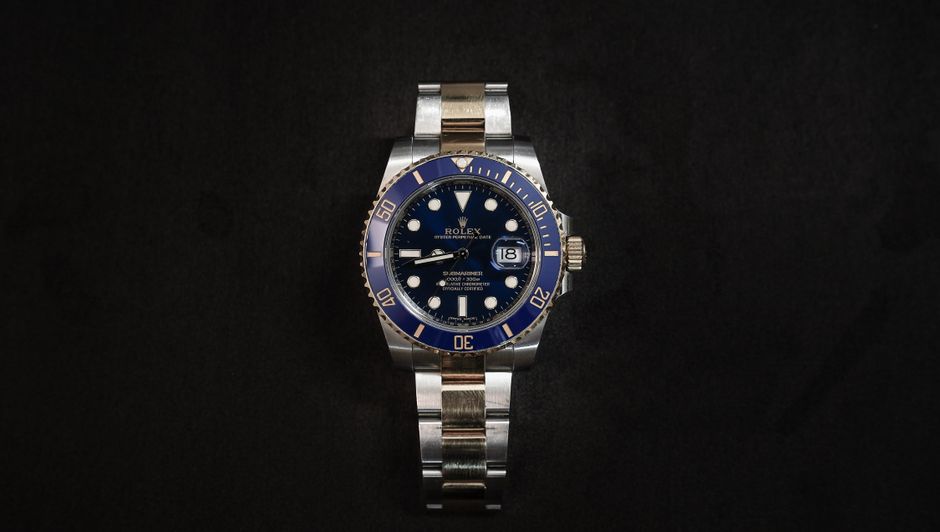
Rolex In-House Authentication
Rolex boutiques and service centers offer the most definitive authentication process, thanks to access to official archives and component databases. However, there are some nuances:
- Verification scope: Rolex will confirm originality and provide service history if the watch has been maintained within their network.
- Authentication vs appraisal: Rolex strictly authenticates but does not provide market pricing guidance or resale estimates.
- Cost & time: Typically, Rolex service inspections come with a fee and time commitment, and you may not get a quick go/no-go authentication report.
This makes Rolex authentication ideal as the final step before sale confirmation, but less suitable if you want a real-time valuation backed by comparable data.
Third-Party Services with In-House Specialists
Dedicated secondary-market players combine expert in-house specialists with market data analysis. Companies like Diamond Banc and RESIDENT™ offer no charge verification options and documented checks during the consignment or sale process.

- Diamond Banc: Known for luxury asset loans and buying, Diamond Banc provides in-depth authentication and leverages live secondary-market comps to align offers with current demand.
- RESIDENT™: As a cutting-edge watch marketplace, RESIDENT™ employs certified horologists to authenticate watches in-house, corroborated by real-time pricing and condition assessments—often at no upfront cost to sellers.
These services typically offer:
- Documented authenticity reports: Essential for buyer confidence and insurance purposes.
- Extensive condition grading: Taking into account case wear, dial originality, bezel condition, and more.
- Market-aligned pricing: Reflecting saturation effects or collector frenzy, based on thousands of live auction and listing data points.
- Full set validation: Confirming presence and impact of boxes, papers, and accessories.
The Role of Live Secondary-Market Data and Comparable Sales in Authentication
Authenticating a Rolex goes beyond physical inspection—it requires a strategic understanding of the market. This is where live secondary-market data and comparable sales become invaluable.
What Are Live Secondary-Market Data and Demand Signals?
Secondary-market data includes recent sales, auction results, private transactions, and platform listings. Demand signals are insights drawn from buyer interest, price trends, and inventory saturation.
For sellers, this data helps:
- Set realistic expectations on what your Rolex will fetch today.
- Understand how strong or weak demand is for your model.
- Identify if the market is oversaturated (too many of the same reference available, pushing prices lower).
- Gauge the impact of configuration and condition on incremental value.
Condition, Configuration & Saturation Effects on Value
Condition grades encompass details such as scratches, polish history, and dial preservation. Configuration refers to whether the watch comes as a full set or as just the head, and includes details like bezel inserts, original bracelets, and authorized service parts.
Factor Impact on Value Notes Full Set (Box + Papers) +15-25% Collectability and buyer confidence rise substantially. Original Unpolished Case +10-15% Sharpness indicates minimal wear and higher preservation value. Service Replacement Parts -5-10% Non-original components can dilute value unless documented and genuine. Market Saturation -10-30% Scarce models command premiums; excess availability depresses prices.Leveraging tools from third-party specialists like Diamond Banc and RESIDENT™ allows sellers to have these factors rigorously documented and quantified, rather than guessing based on anecdotal information.
Step-by-Step Guide: Safest Way to Authenticate Your Rolex Before a Sale
- Inventory your watch’s configuration: Confirm if your Rolex comes full set or head only; document box, papers, manuals, and extra links.
- Check service history: Records from authorized service centers or trusted independent watchmakers add authenticity and condition validation.
- Consult third-party specialists offering no charge verification: Submit your watch to services like Diamond Banc or RESIDENT™ for documented checks and grading.
- Review live secondary-market comps: Work with your chosen specialist to obtain validated recent sale prices for your reference and condition.
- Avoid preemptive authentication fees: Ensure your service includes authentication as part of the offer or sale process to avoid paying upfront without market backing.
- Cross-check Rolex’s own authentication when required: Use Rolex in-house specialists selectively, mainly for final service or confirmation of originality—but not as your primary appraisal source.
- Get a documented authentication report: This supports legitimate transfers, insurance coverage, and buyer confidence, reducing objections or renegotiations.
Closing Thoughts: Protect Your Investment by Choosing the Right Authentication Path
Approaching your Rolex sale as a portfolio-like stewardship exercise means treating authenticity and valuation as pillars of fiduciary responsibility. By avoiding common pitfalls—such as confusing insurance appraisal with market value or prematurely paying for authentication—you preserve maximum resale potential.
Engaging in-house specialists within trusted secondary-market firms ( Diamond Banc, RESIDENT™) who combine physical verification with live market data is the best safeguard. Their documented authenticity checks and attention to condition and configuration nuances ensure your Rolex’s value is not just validated but optimized.
Remember: real value lies in the details, the data, and the documented proof. The safest way to authenticate your Rolex is never just a physical glance—it is a holistic market-based verification that aligns your watch’s story with what buyers are actively willing to pay.
About the Author
Having spent 12 years navigating luxury resale buying desks, consignment workflows, and authentication protocols—including multi-piece collection edits tied to high-stake real estate closings—I combine market savvy with a strict insistence on clear, data-backed valuations. For every Rolex, I keep two numbers: the insurance and the real market value.