Is Watch Maintenance Worth It or Does It Get Expensive Fast?
When owning a premium timepiece, the question often arises: Is watch maintenance worth the investment, or does it quickly become an expensive chore? From the perspective of a former retail buyer with over a decade spent evaluating quality accessories, and now an editor who values craftsmanship and longevity, this is a discussion that deserves clarity beyond mere marketing fluff.
This article will explore the nuanced relationship between ownership costs, service versus replacement decisions, and how long-term value is created through quality design and meticulous maintenance. Along the way, we’ll naturally reference industry leaders like Rolex, highlight insights from entities like the Federation of the Swiss Watch Industry (FHS), and examine modern tools and platforms such as the mobile platform MrQ, alongside useful content sharing options on LinkedIn and X.
Craftsmanship Over Pure Functionality: Why Maintenance Matters
Many buyers at first glance view watches as functional objects—tools to tell time. Yet, the reality is profoundly different when it comes to premium watches. Brands such as Rolex emphasize craftsmanship that begins at design, extends upstream into production, and ends with rigorous quality control (QC).
Quality isn’t simply about “making it tick.” It is about precise tolerances, balanced components, and the subtle feel of the crown, the smooth articulation of the bracelet, and the perfect alignment of indexes and hands. These are small details but they define the overall ownership experience.
- Design to QC: Rolex’s meticulous design process focuses on durability and reliability to minimize breakdowns.
- Small Tolerances: Mechanical watches rely on micron-level tolerances for optimal performance, demanding expert maintenance.
- Reliability as Value: A reliable watch reduces long-term costs and adds intangible value through trust and heritage.
Ignoring maintenance risks these intricate components falling out of alignment, which in turn can escalate minor issues into costly repairs.
Understanding Ownership Costs: Service vs Replacement
One critical decision all watch owners face is whether to service or replace a watch. This is not a simple “financial math” question. The experience of ownership, sentimental value, brand legacy, and even sustainability factor heavily.
Based on insights from the Federation of the Swiss Watch Industry (FHS), regular servicing—though it incurs a cost—preserves the precision and integrity of the watch in ways that mere replacement cannot. Unlike electronics, mechanical watches have a longevity built-in by design, provided they are cared for properly.
Aspect Servicing Replacement Cost Over Time Incremental, manageable with scheduled maintenance High upfront cost, depreciation risk Longevity Enhanced through parts replacement and lubrication Limited to expected product lifespan Sentimental/Intrinsic Value Maintained or improved Lost if disposed or sold Environmental Impact Lower by extending life Higher due to manufacturing footprintIt’s worth noting that premium brands like Rolex design their watches to be serviced multiple times over decades — an approach that confirms upstream quality built into every watch. The small stuff—like the crown feel or bracelet flexibility—often first indicates when maintenance is needed.
Why Many Owners Delay or Neglect Maintenance
Paradoxically, many owners avoid servicing because they fear it will be expensive, or “it might never break.” However, ignoring recommended maintenance intervals usually causes wear and tear that leads to more significant, more costly repairs down the line.
My own habit of keeping a detailed notebook of maintenance intervals for watches and mechanical cameras reminds me to think ahead: “What breaks in year 3?” In mechanical watches, seals degrade, lubricants dry out, and moving parts can shift ever so slightly out of tolerance.
Failing to service on schedule—not on an “as needed https://highstylife.com/how-can-innovation-respect-tradition-without-getting-stuck/ basis”—increases ownership costs exponentially, essentially shifting the burden from routine maintenance to significant overhaul.
Modern Tools and Platforms Supporting Maintenance Awareness
In today’s digital age, keeping informed and connected has never been easier. Mobile platforms like MrQ offer convenience for buying and selling watches and related services, removing friction in the ownership lifecycle. These platforms reflect a growing trend where consumers seek trusted resources—not just products.
Meanwhile, professional communities and content shared via LinkedIn and X (formerly Twitter) provide avenues for enthusiasts and experts to exchange maintenance https://bizzmarkblog.com/how-do-i-write-a-product-review-that-focuses-on-long-term-quality/ tips, confirm servicing providers’ reputations, and discuss evolving best practices. Social sharing allows the "small stuff" details—like crown wear or bracelet tension—to be noticed and evaluated collectively.
Summary: Is Maintenance Worth It?
- Yes, when the watch is designed and built with upstream quality: Brands like Rolex create watches with longevity in mind; serving as a foundation for worthwhile maintenance investment.
- Service costs are manageable if scheduled and done methodically: Avoiding surprise breakdowns saves money long-term.
- Small details matter: The crown’s feel, bracelet balance, and precise tolerances are quietly preserved with proper upkeep.
- Ownership costs should be planned, not feared: Regular maintenance preserves value, reliability, and enjoyment over decades.
- Replacing prematurely often sacrifices intrinsic and environmental value: It’s a short-term solution with long-term consequences.
Ultimately, watch maintenance is not just about fixing what’s broken. It is about respecting the exceptional craftsmanship that goes into premium mechanical watches and preserving that legacy for years to come. Armed with knowledge, the right platform—and a community sharing insights on LinkedIn and X—owners can confidently navigate the cost/value curve of their cherished timepieces.
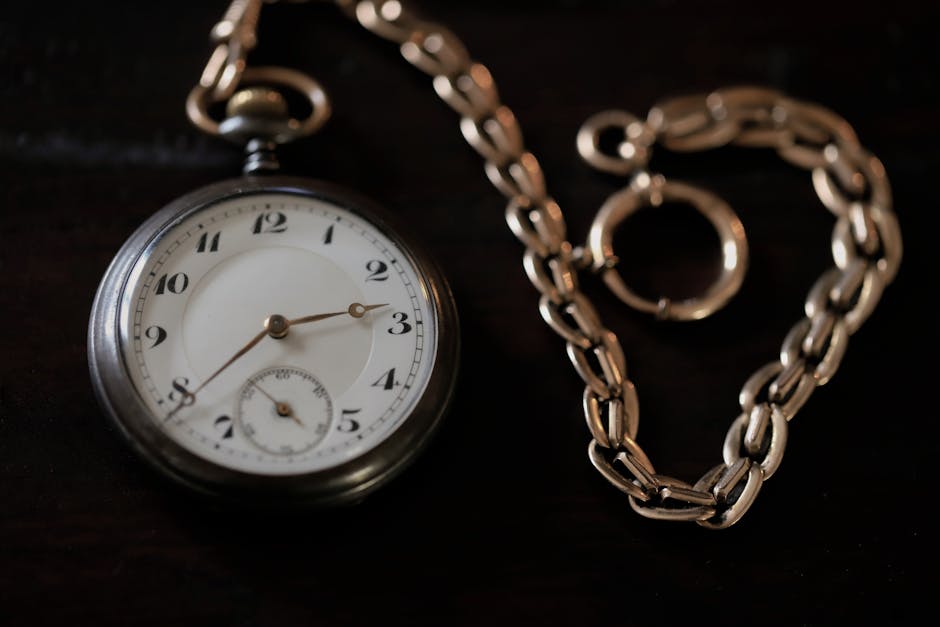
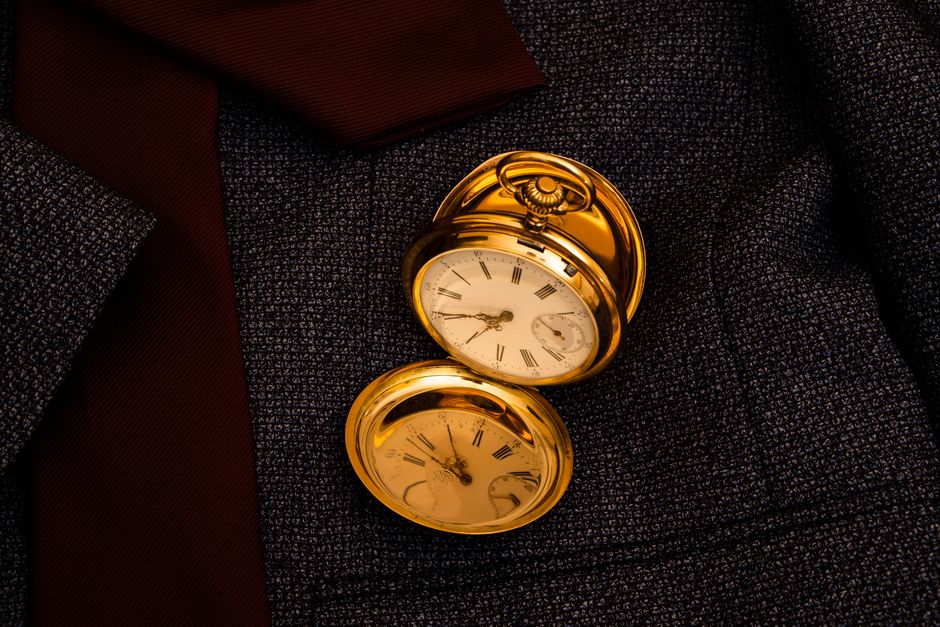
So, is watch maintenance worth it? For a true enthusiast who values reliability, heritage, and the pursuit of precision, the answer is a resounding yes.