Is It Better to Take a 15-Minute Walk or Sit in Another Room? Exploring the Best Break Practices
When workdays are packed with back-to-back meetings, emails, and project deadlines, the concept of taking a break often feels both essential and elusive. But not all breaks are created equal. A persistent question many workers and managers ask is: Is it better to take a 15-minute walk or simply sit in another room to rest? This post explores that question, backed by insights from companies like Health and Safety Executive (HSE), MRQ, and ChuckleS Life, alongside practical tools such as laptops and phone notifications.
Understanding the Purpose of a Break Before Choosing the Activity
Before deciding whether to take a short walk or sit quietly elsewhere, it's important to clarify the purpose of the break. Breaks serve various functions: resting the eyes, recharging mental energy, shifting physical posture, or simply marking a pause.
The Health and Safety Executive (HSE) emphasizes the role of breaks in preventing fatigue and maintaining concentration during long working periods. Their guidelines implicitly encourage workers to take breaks that involve physical and mental disengagement from continuous screen tasks.
Understanding what you want to gain from the break—whether it’s a mental reset or physical relief—helps determine the best activity. Different situations may call for different types of breaks, which is where the choice between a 15-minute walk and sitting in another room comes into play.
The Case for a 15-Minute Walk: Movement and Mental Boundaries
Benefits to Physical Health and Posture
Laptop and mobile phone use can cause significant screen fatigue and promote static, often poor, posture. According to MRQ, a workplace wellbeing firm (mrq.com), movement breaks like walking are crucial to counteracting the risks associated with prolonged sitting.
- Reduces muscle stiffness: Walking promotes circulation, reducing the tension caused by sitting in the same position.
- Improves posture: Regular movement encourages upright posture, easing strain on the neck and back.
- Helps combat screen-induced fatigue: Shifting gaze from digital screens to natural surroundings relaxes eye muscles.
Psychological Benefits and Mental Boundaries
Walking doesn’t just help chuckleslife the body; it also resets the mind. A 15-minute walk outside or even around the office creates a strong mental boundary—a psychological signal that work time has paused. This break in mental continuity helps refresh creativity and problem-solving skills, often difficult to achieve by merely relocating to another room.
ChuckleS Life, a lifestyle coaching platform (chuckleslife.com), supports taking walks as a way to introduce a change of scenery and sensory input that is key to effective mental breaks.
The Case for Sitting in Another Room: Micro-Breaks With Clear Endings
Micro-Breaks with Minimal Disruption
Sitting quietly in a different room can also be an effective break, especially when time or circumstances restrict movement. For example, a brief five to ten-minute pause in a quiet space away from laptop screens and phone notifications can help foster mental calmness.
MRQ advocates for micro-breaks—short, frequent breaks with defined boundaries—that can maintain alertness and prevent burnout. Shifting to another room can serve as a physical change of location which helps create a mental boundary, but only if the time away has a clear start and end.
Limitations of Sitting in Another Room
- Risk of passive breaks: Without a timer or intention, breaks can turn into low-focus segments like doomscrolling or ‘just one more email,’ which fail to recharge effectively.
- Less physical recovery: Sitting still after long screen time does little to alleviate posture fatigue.
To make sitting breaks effective, it’s critical to set a timer or alarm, ensuring the break is a deliberate and contained activity rather than an inconspicuous extension of work.
Leveraging Timers and Boundaries to Improve Break Quality
One of my quirks from my office manager days was setting a five-minute timer even when the break felt barely needed—because clear endings are essential. This practice is supported by research and workplace experts like HSE and MRQ who recommend break timers to prevent both overextension and ineffective, distracted breaks.
Tips for Using Timers Effectively:
- Choose a break length based on activity: Longer breaks like 15-minute walks demand reasonable time to justify changing gear and location.
- Use your phone or computer timer but avoid distractions: Silence notifications except the timer alert.
- Stick to your break: Avoid ‘just one more email’ to protect the purpose of your rest.
One simple tool I keep near my workstation is a ‘break menu’ note taped next to my monitor, offering a choice of break activities based on my energy and posture and reminding me to reset the timer.
The Importance of Break Variety and Change of Location
Variety is a key ingredient in effective breaks. Mixing break types—from walking and stretching outdoors to sitting quietly inside—helps maintain overall wellbeing and productivity.
A change in environment, whether a physical move to another room or stepping outside for a walk, provides sensory variation that lessens monotony and helps recalibrate attention and motivation.
Break Type Physical Benefits Mental Benefits Best When 15-Minute Walk Improves circulation and posture, reduces muscle fatigue Creates strong mental boundary, refreshes creativity When time and space allow for movement Sitting in Another Room Some posture relief by changing seating position Mental pause, reduces screen fatigue if away from screens When movement is limited or a quick mental reset is neededOther Practical Considerations: Managing Phone Notifications and Laptop Use
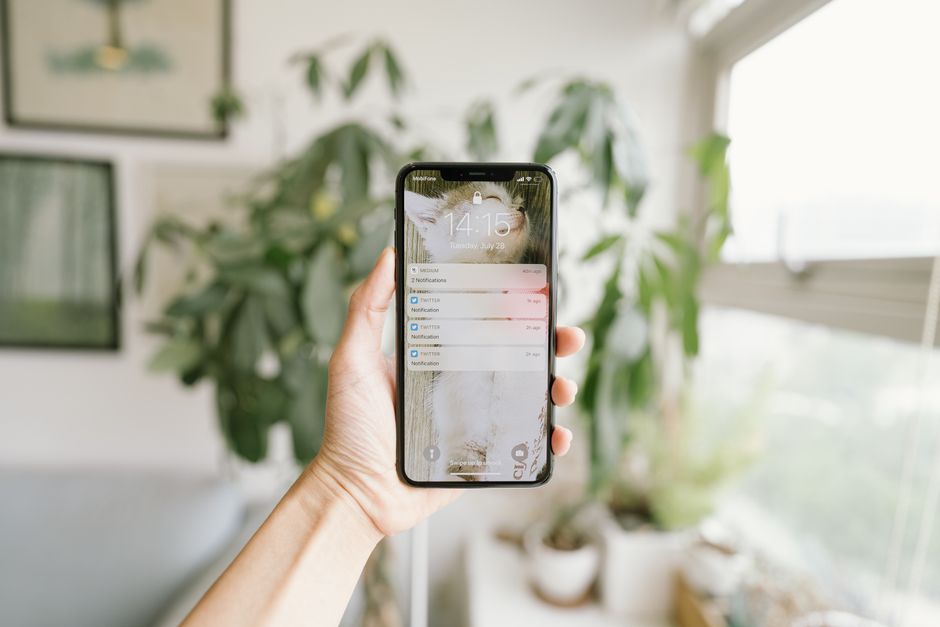
Whether you walk or change rooms, managing digital distractions is critical. Phone notifications can undermine the break’s mental boundary if left enabled.
Both MRQ and ChuckleS Life emphasize minimizing disruptive tech while on break. Silencing phone alerts and closing laptop screens helps reinforce the break’s intention, allowing genuine rest.
An ideal break involves:
- Turning off or muting all work-related notifications.
- Avoiding screen-based activities like checking social media or emails.
- Using devices only to track the timer or play calming sounds if that supports relaxation.
Final Thoughts: Tailor Your Break to Your Needs, But Prioritize Change and Boundaries
Whether it’s better to take a 15-minute walk or sit in another room depends on individual needs, workplace setup, and break purpose. The Health and Safety Executive’s studies remind us that breaks must be intentional and varied to be effective. MRQ and ChuckleS Life help us remember the critical role of movement, mental boundaries, and practical timer tools.
My personal takeaway—with 12 years of coaching teams—is to never underestimate the power of a deliberate change of location combined with clear mental and temporal boundaries. If possible, prioritize the walk for physical and mental refreshment. If not, ensure sitting in another room is a quiet, screen-free, well-timed pause.

And remember my trusty little tip: look out a window before diving into any digital feed. That simple act resets your mind more than you realize.
Resources
- Health and Safety Executive (HSE) - Work-related stress and breaks
- MRQ - Workplace wellbeing coaching
- ChuckleS Life - Lifestyle and mental health tips