How Do Movers Handle Packing for Valuable or Delicate Possessions?
Moving can be a stressful experience, especially when it comes to transporting valuable or delicate possessions. Whether it’s antique furniture, fine china, artwork, or electronics, specialty packing and damage prevention are top priorities for both movers and customers alike. Companies like Southside Moving & Storage understand these concerns and have refined their processes to ensure your most fragile items arrive safely at your new home.
In this post, we’ll walk you through the critical steps movers take to handle packing for valuable and delicate possessions, from pre-move consultation and planning to clear communication and protective techniques. We’ll also explain how you can verify your mover’s credentials using tools like the Federal Motor Carrier Safety Administration (FMCSA) website, and how site features such as Akismet spam filtering help maintain the quality of online discussions about moving services.
Pre-Move Consultation and Planning: The Foundation of Specialty Packing
Before movers even lift a box, a thorough consultation is essential. For delicate or valuable possessions, this means a detailed inventory and assessment to identify fragile items and their unique packing needs.
Initial Assessment
Companies like Southside Moving & Storage start by asking critical questions about your belongings during the initial consultation. Key details include:
- What are the most valuable or fragile items you need moved?
- Do any antiques or collectibles require special handling or insurance?
- What is the approximate quantity and size of these items?
- Are there any locations in your home requiring extra care, such as staircases or narrow hallways?
This information helps movers tailor their packing strategies and supplies accordingly. As someone who’s coordinated countless moves around Tidewater Virginia, I can’t stress enough how important it is to give movers a detailed rundown—skipping labels or notes often leads to confusion and damage.
Planning for Specialty Packing
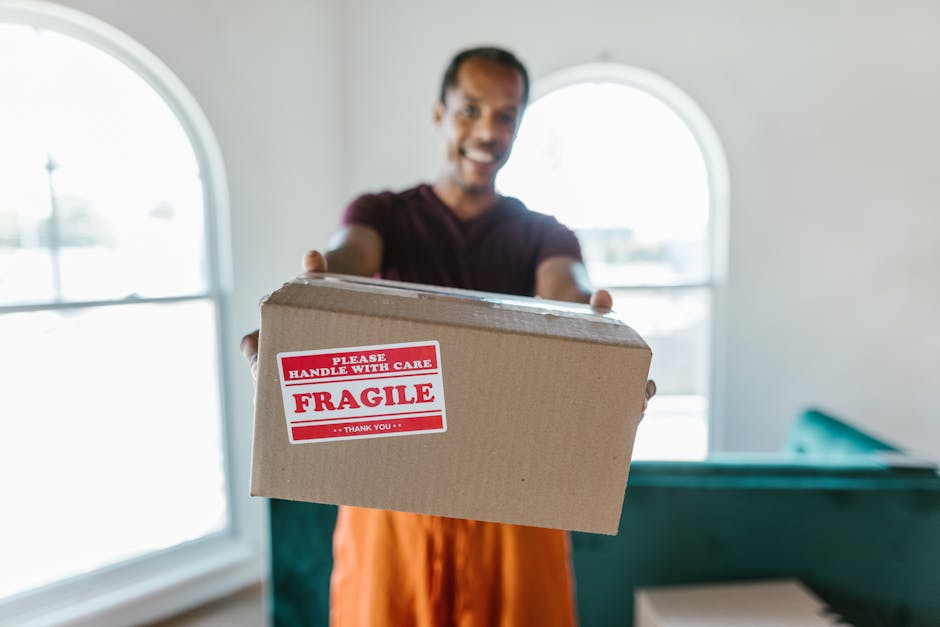
Based on the assessment, movers will decide whether specialty packing materials like custom crates, extra-padded boxes, or reinforced wrapping are needed. Fragile items—from crystal glassware to paintings—may require specific packaging methods such as layering with foam, bubble wrap, and acid-free paper to prevent damage.
Professional moving teams also consider the order in which boxes are loaded onto the truck to avoid crushing delicate items under heavy objects. A running checklist is kept throughout this process to ensure nothing is overlooked.
Full-Service Moving vs Basic Transport: What’s the Difference?
When it comes to handling fragile possessions, understanding the difference between full-service moving and basic transport options is crucial.
Full-Service Moving: Comprehensive Care for Your Valuables
Full-service movers will pack, load, transport, unload, and even unpack your items. This option is especially recommended for specialty packing because it puts the entire process into professional hands.
With full-service, you benefit from:
- Expert packing using high-quality materials
- Trained movers skilled in handling fragile and valuable items
- Extra insurance options tailored to high-value possessions
- Better damage prevention from start to finish
Basic Transport: You Pack, Movers Drive
Some companies offer basic transport services where customers pack their own belongings and movers simply deliver the load. While this might save money initially, it often increases the risk of damage to fragile items due to improper packing.
If you choose this route, consult your mover about specialty packing supplies or consider hiring experts just for the fragile pieces.
Clear Communication and Timelines: Preventing Moving-Day Surprises
One of the fastest ways to add stress to a move with delicate possessions is poor communication or last-minute changes. I always make a point to confirm the moving day schedule, parking arrangements, and access limitations way ahead of time.
Set Expectations Early
- Discuss estimated arrival and completion times with your movers.
- Inform them of any additional services required, such as specialty packing or custom crating.
- Confirm how fragile items will be marked and tracked throughout the move.
Keep Lines of Communication Open
During the move day, real-time updates ensure everyone is on the same page. Movers who provide timely communications reduce the chances of mishaps such as unauthorized changes or misplaced belongings.
Protecting Belongings and the Home
Inside Your Home
Professional movers protect your home environment as well as your belongings. This often involves:
- Covering floors and walls with protective padding
- Using corner guards on doorways
- Clearing hallways of obstacles to ensure smooth moving paths
These precautions reduce the risk of damage caused by moving equipment or foot traffic, which is especially important in older or delicate homes.
Protecting Fragile Items During Transit
Specialty packing goes hand in hand with smart loading. Movers will:
- Load heavier furniture at the bottom and fragile boxes on top
- Use straps and braces to prevent shifting during transit
- Provide climate-controlled options for sensitive electronics or antiques
All of these safeguards minimize the risk of jostling, temperature damage, and breakage during the move.
Verifying Your Mover’s Credentials
Before booking, always verify your mover’s licensing and insurance using the FMCSA website. The Federal Motor Carrier Safety Administration tracks registered interstate movers and ensures compliance with federal regulations.
This minimizes the risks of hidden or bait-and-switch pricing and confirms that your mover meets safety standards. Like I always tell my clients, never hand over your valuables without confirming proper licensing upfront.
Using Akismet for Reliable Online Feedback
When researching movers online, you may encounter reviews or forums with misleading or spammy comments. Websites employing tools like Akismet spam filtering help maintain the credibility of genuine customer feedback.
Only rely on sources that actively moderate and verify user inputs to avoid falling https://www.mynewsgh.com/what-to-expect-from-a-top-rated-chesapeake-va-mover/ for fraudulent claims or fake testimonials.
Summary: Steps Movers Take to Protect Your Valuable and Delicate Possessions
Step Description Why It Matters Pre-move Consultation Assess your fragile and valuable items and plan packing accordingly. Ensures customized care and prevents surprises. Specialty Packing Use of custom crates, padding, and specialty boxes. Provides maximum protection during transit. Full-Service Moving Option Movers handle packing, loading, unloading, and unpacking. Professional oversight reduces damage risk. Clear Communication Confirm timelines, parking, routes, and fragile item labeling. Prevents last-minute changes and confusion. Protecting Home & Belongings Use protections inside the home and secure loads in the truck. Prevents damage to your property and items. Credential Verification Using FMCSA Check mover licensing online at FMCSA.gov. Confirms legitimacy and insurance coverage.Final Thoughts
Handling specialty packing for fragile items takes experience, communication, and attention to detail. Working with reputable, licensed movers like Southside Moving & Storage who follow proven processes can make the difference between a smooth relocation and a costly headache.
Remember to verify movers through the FMCSA website, maintain open communication about your unique needs, and choose full-service options if possible for the safest experience. And when reading reviews online, trust sites that employ tools like Akismet spam filtering to ensure you get honest feedback.
Your valuable possessions deserve the best care — don't settle for anything less when planning your move.