Do You Really Need a Certificate of Authenticity for a Vintage Gift?
In the world of vintage gifting, the question of whether you truly need a certificate of authenticity often surfaces. Some insist it's essential—others shrug it off entirely, favoring story and provenance over paperwork. As someone who's spent over a decade dissecting buy-it-for-life quality, from leather goods to heritage brands, and who counts stitches per inch rather than just trusting flashy labels, I’m here to unpack this debate. Let’s explore why—when it comes to vintage gifts—you might prioritize story over stuff, turn to observation-based shopping, and focus on experiences and memory anchors instead of chasing certificates.
Understanding the Role of Authenticity Certificates
Before diving into the pros and cons, let’s clarify what an authenticity certificate is and what it offers:
- Definition: A document provided by experts or the original manufacturer certifying that an item is genuine.
- Purpose: Establishes verifiable provenance, reassuring buyers of authenticity.
- Common Use: Widely used in art, luxury goods, collectibles, and antiques.
That sounds great, but here’s my first question (and you should ask this too): Does this certificate guarantee long-term value or emotional connection? Sometimes it does—for certain high-ticket collectibles or investments. Other times, it’s a less meaningful piece of paper that buyers rely on out of habit rather than true insight.
The Gift Strategy: Story Over Stuff
When gifting vintage, particularly to lifestyle-minded recipients, the story behind the object is often more precious than the object itself. Consider the difference between zerowastefamily.com handing over an anonymous leather briefcase with a laminated certificate and gifting a beautifully patinated leather satchel from a heritage brand, with a history traced and shared through photos, letters, or even a digital archive.
This is where tools like a NAS server and Plex come in handy. Instead of just passing a certificate, you can curate the gift’s story digitally:
- NAS Server: Store high-resolution images, historical documents, and provenance records securely at home.
- Plex: Create a private media library accessible to the gift recipient, showcasing videos or scanned materials detailing the history of the vintage item.
This approach creates memory anchors, transforming an ordinary gift into a living experience that invites the receiver to dive deeper into the item’s heritage and meaning.
Observation-Based Shopping: Trust Your Eyes, Not Just Papers
When evaluating vintage items, my hard-earned advice is to become an expert observer rather than relying solely on certificates. Here’s why:
- Leather Quality: A vintage bag’s value often lies in the leather thickness, durability, and craftsmanship. Count the stitches per inch and feel the material—these are clues that no certificate can fully capture.
- Wear Patterns: Genuine aging and patina tell a story no fake certificate can replicate. Are the edges naturally scuffed? Does the hardware reflect consistent use?
- Provenance Records: Rather than an official certificate, often a well-documented but informal provenance—like photos of previous owners, original store tags in a personal archive, or catalog listings—provides tangible proof.
Certificates can sometimes be copied or sold separately from the item, making them vulnerable. But your own keen observations and a chain of provenance offer stronger protection against replicas or fakes.
Checklist: Observation-Based Vintage Buying Tips
Aspect What to Look For Reason It's Important Leather Thickness & Texture Consistent quality, supple but durable feel, minimal peeling Indicates genuine, high-quality hide typical of buy-it-for-life pieces Stitch Count and Craftsmanship 6+ stitches per inch, even stitching, no loose ends Signifies heritage production techniques and durability Hardware Solid brass or stainless steel, signs of period-correct wear Confirms authenticity and proper aging Provenance Documentation Photos, old receipts, historical catalog references Builds a story and links item to its pastWhen an Authenticity Certificate Makes Sense
Despite my strong focus on story and observation, I won’t dismiss certificates outright. Here are scenarios where a certificate truly matters:
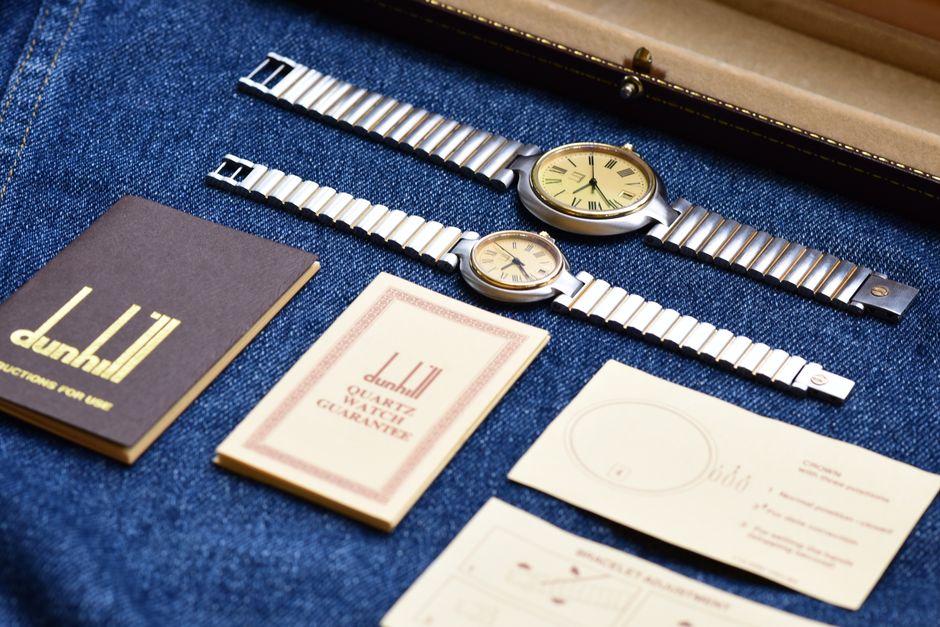
- High-value Collectibles: Vintage watches, artwork, rare designer items that represent significant investment.
- Resale Considerations: When buying with resale in mind, auction houses and luxury resellers usually require authenticity certificates for trust and verification.
- Third-party Verification: Certificates from reputable sources (like a museum or specialist authentication service) can reduce fraud risk significantly.
If you opt for certificates, make sure they come from trustworthy experts, include detailed descriptions, serial numbers, and, ideally, photographic evidence linked to the item itself—not just vague affirmations.
Experience Gifts and Memory Anchors: Beyond Physical Proof
In the minimalist lifestyle and gift strategy I champion, sometimes the best vintage gift isn’t the thing itself, but the experience surrounding it. For example:
- Arrange a workshop with a leather artisan restoring vintage pieces, engaging your gift recipient in the story of craftsmanship up close.
- Create a digital archive housed on a NAS server, using Plex to present a curated exhibit of a family’s heirloom watch collection, rich with oral histories and scan documents.
- Gift a subscription to heritage brand workshops or museum memberships focusing on design history—this evokes memories and builds attachment to items over time, rather than showing up with a certificate alone.
These memory anchors—whether a tactile restoration experience or a deep dive into provenance stories—outshine a generic certificate by creating lasting connection, not just proving ownership.
Final Thoughts: Balancing Proof and Passion
So, do you really need a certificate of authenticity when gifting vintage? Sometimes yes, often no. The true value lies in the combination of trusted provenance records, your capacity for observation, and the stories you embed into the gift experience.
Here’s my take-home shopping mantra:

Next time you’re hunting for that vintage gem—whether a buy-it-for-life leather satchel or heirloom watch—tap into your own skills and the digital tools like Plex and NAS servers to document and share its legacy. You’ll give a gift with authenticity far beyond a piece of paper.