Cullen Jewellery Review: Are Their Custom Designs Actually Good Quality?
A custom engagement ring should feel personal before it ever feels “bridal.” That might mean a sculptural setting, a colored gemstone with a story behind it, or simply a band that feels comfortable between your fingers. Cullen Jewellery is known for contemporary designs and lab-grown stones, but does its custom work deliver on quality—or is the appeal mostly in the look?
Here’s the useful short answer: Cullen Jewellery may suit couples who want a modern, made-to-order ring and are willing to ask detailed questions about the stone, setting, and aftercare. But “custom” isn’t a quality grade, and ethical craftsmanship can’t be assessed from a pretty product photo alone. The final ring depends on its materials, construction, fit, and the clarity of the information you receive before ordering.
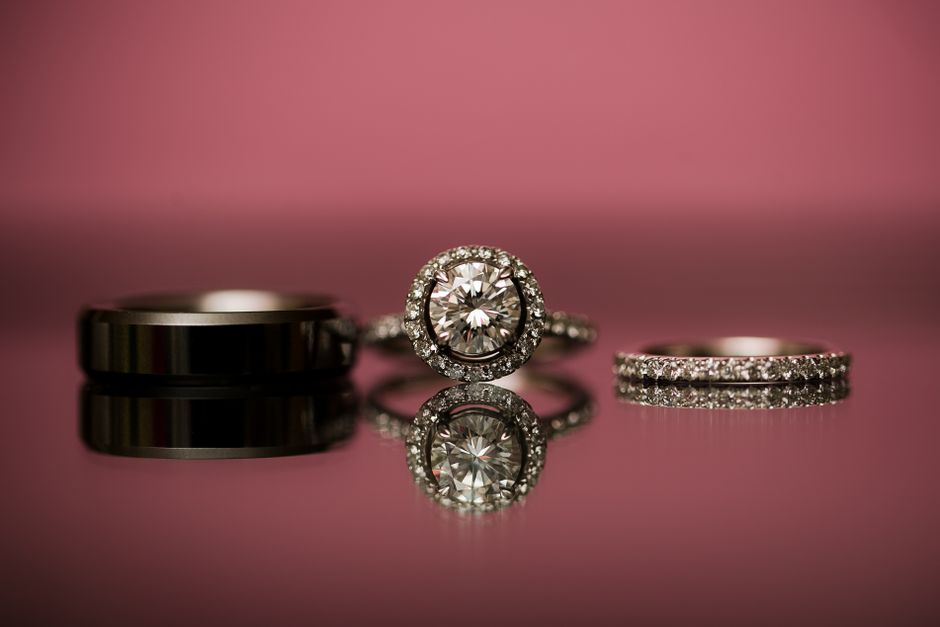
This review looks at what to consider when shopping with Cullen Jewellery, how its approach fits changing engagement-ring traditions, and what to check before committing. It is not a hands-on inspection of every Cullen ring or a substitute for confirming the specifications of the exact piece you’re considering.
At a Glance: What to Know About Cullen Jewellery
Question What to consider Who might like the brand? Couples drawn to contemporary designs, lab-grown stones, and options for personalization. Is “custom” automatically better? No. Ask what can actually be changed and whether the final design is confirmed in writing. Is a lab-grown stone impact-free? No. Ask about the stone’s documentation and the company’s sourcing and production information. What matters most for quality? Stone details, secure setting, finishing, comfortable fit, clear policies, and dependable aftercare.What Does “Good Quality” Mean in a Custom Engagement Ring?
Quality is more than how bright a stone looks in a studio photograph. A well-made ring should suit the wearer’s everyday life, hold its stone securely, and feel comfortable when worn for hours. The finish should be consistent, the design should make sense from the side as well as from above, and https://www.bespoke-bride.com/2025/10/09/how-to-choose-an-engagement-ring-thats-as-unique-as-your-love-story/ the ring should arrive with a clear description of what you bought.
That last point matters. Before ordering, ask for the precise metal, stone type, dimensions, and any available grading or identification documents. If the ring is made to order, confirm which features are fixed and which can be changed. “Custom” might mean selecting a center stone and metal from a set menu; a fully bespoke design may involve more substantial changes. Those are very different levels of personalization.
Also ask about resizing, cleaning, repairs, and what happens if a stone becomes loose. A beautiful setting that is difficult to maintain—or a ring with unclear aftercare—can become a source of stress. A jeweler should be able to explain these details in plain language, not hide them behind romantic product copy.
Cullen Jewellery’s Appeal: Modern Design and Personal Choice
Cullen Jewellery’s appeal is closely tied to the way many couples now shop: they want design options, a clear point of view, and alternatives to the traditional mined-diamond solitaire. Lab-grown diamonds and colored gemstones can make room for different priorities, whether that means choosing a distinctive silhouette or putting more of the budget toward a larger center stone.
Still, a modern look isn’t automatically practical. Tall settings can catch on sweaters; delicate claws may need more frequent checks; and a broad band can feel surprisingly different from a narrow one. I keep a running list of ring settings that snag on knits for a reason: tiny construction choices affect daily wear. Ask how high the stone sits, whether the setting is suitable for your routine, and what maintenance the design calls for.
Try to picture the ring from the side, not just in a top-down image. If possible, ask for a side view or a design rendering. Look at how much metal supports the center stone, whether the band narrows sharply, and whether the setting might rub against neighboring fingers. A distinctive design should be more than a good photograph; it should work on an actual hand.
Breaking Engagement Ring Traditions
There is no rule that an engagement ring must be a round diamond on a plain band. Couples are choosing east-west settings, asymmetrical designs, mixed metals, signet-inspired shapes, and rings that feel more like personal jewelry than a formal uniform. A custom engagement ring can make that freedom tangible—but the wearer’s taste should lead the process, rather than a trend board or a proposal-day surprise fantasy.

If you’re planning a surprise, discreetly find out what the person actually wears. Do they prefer yellow, white, or rose-toned metal? Do they reach for minimal jewelry or bold shapes? A trusted friend can help, but it’s worth remembering that ring size is only one part of fit. The height of the setting, the width of the band, and how it feels between the fingers all matter.
For couples designing together, Pinterest boards for ring inspiration can be useful when they’re treated as a conversation starter, not a shopping order. Save a mix of images and label what you like in each one: the stone shape, the band profile, the setting, or the overall mood. That helps a jeweler turn “I like this” into a specific design brief, while avoiding the expectation that a reference image can be copied exactly.
Colored Gemstones as Storytelling
A colored center stone can carry a story that a traditional diamond may not. Perhaps it echoes a family birthstone, a favorite landscape, or the color of a place where a couple met. Sapphires, emeralds, and other gemstones can offer rich individuality, but they are not interchangeable in durability or care.
Ask what the stone is, whether it has been treated, how that treatment affects care, and whether its color may vary from the images shown online. Find out whether the chosen setting is appropriate for the stone’s hardness and the wearer’s habits. Someone who works with their hands or plans to wear the ring every day may need a more protective setting than someone who wears it occasionally.
Ethical craftsmanship also includes honest communication about a gemstone’s origin and treatment. If the answer to a sourcing question is vague, ask for clarification before paying a deposit. No gemstone is ethically perfect simply because it is colorful, lab-grown, or presented with a sustainability message.
How to Judge Cullen’s Customization Process
The best customization experience makes decisions easier, not more confusing. Before ordering, ask Cullen Jewellery—or any jeweler—what “custom” means for the ring you want. Can you change the center stone, band width, metal, setting height, or side stones? Will you approve a drawing or rendering? Are changes possible after production begins?
- Request a written specification. It should identify the stone, metal, dimensions, and agreed design details.
- Confirm what you will see before production. Ask whether the process includes a design approval stage and what that approval covers.
- Check the practical policies. Review lead times, resizing terms, returns, warranties, and repair options before placing an order.
- Ask about care. Find out how often the setting should be checked and what cleaning methods are safe for the stone and metal.
- Keep the budget conversation open. Set a comfortable range and ask how each design choice affects the price.
That budget conversation doesn’t ruin the romance. It protects it. A ring should feel joyful to give and receive—not like a financial secret that becomes uncomfortable after the proposal.
Ethical Craftsmanship: Ask Beyond the Headline
Lab-grown diamonds are made in controlled environments rather than mined from the earth, but that does not mean their production has no environmental footprint. Energy use, manufacturing practices, metal sourcing, shipping, and the durability of the finished piece all belong in a serious conversation about ethical craftsmanship.
Look for specific, current information rather than broad words such as “ethical” or “sustainable.” Ask what documentation accompanies the stone, what the brand can tell you about its production and supply chain, and whether the metal’s source is disclosed. A responsible jeweler should be willing to explain what is known, what is independently documented, and what remains difficult to verify.
It can also help to compare brands without assuming they offer identical products. Lily Arkwright is another name shoppers may encounter while researching lab-grown stones and contemporary fine jewelry. Compare exact stone specifications, customization options, policies, and aftercare—not just headline prices. Modern Gents may come up in searches for more affordable, fashion-oriented ring options, but it is important to compare like with like: materials, construction, intended wear, and service can differ significantly.
What to Watch for in Fit and Everyday Wear
Before settling on a design, think about how the ring will feel through an ordinary week. A wide band can feel snugger than a narrow one at the same size. A prominent setting may press against neighboring fingers. A sharp, high-profile detail can snag on knitwear, hair, or pockets. If you can try on similar shapes in person, do it—and pay attention to the space between your fingers, not only the way the ring looks on top.
Ask whether the setting is designed to protect the stone and whether the ring can be resized if your needs change. Not every design can be adjusted easily, particularly when it includes stones around the band or an unusual shape. Get the answer for your specific ring in writing rather than relying on a general policy page.
Planning the Wedding Around the Ring
Engagement-ring decisions often happen alongside a hundred other wedding choices. If you’re sharing your celebration online, an invitations promo can be a useful place to direct guests to practical information—such as an RSVP page—without turning every message into a logistics puzzle. A simple Google Sheet for RSVPs can help you track responses, meal choices, and plus-ones, as long as you keep the document private and share only the information guests need.
For visual planning, keep your Pinterest boards organized by category: ring silhouettes, ceremony details, flowers, and attire. That makes it easier to spot a genuine preference instead of getting swept up in whatever image you saved at midnight. Bespoke Bride can also be a source of wedding inspiration when you’re gathering ideas beyond the ring itself.
So, Is Cullen Jewellery Worth Considering?
Cullen Jewellery is worth a closer look if you want contemporary design choices, are interested in lab-grown stones or colored gemstones, and value the possibility of tailoring a ring to your preferences. Its strongest potential advantage is choice: the opportunity to move beyond a one-size-fits-all idea of an engagement ring.
But the quality verdict for any particular ring depends on details you should verify before ordering. Ask about the exact stone and setting, request written specifications, check the comfort and maintenance implications, and make sure the company’s policies fit your expectations. That is how you separate a lovely concept from a ring that is genuinely well suited to its wearer.
My practical verdict: Cullen Jewellery may be a good match for couples who want a more personal, modern ring and are prepared to do the same careful research they would with any fine-jewelry purchase. Don’t buy a promise of “custom” or “ethical” on its own. Buy a clearly specified design, made with materials you understand, backed by aftercare you can count on—and chosen because the person wearing it loves how it feels, not just how it photographs.